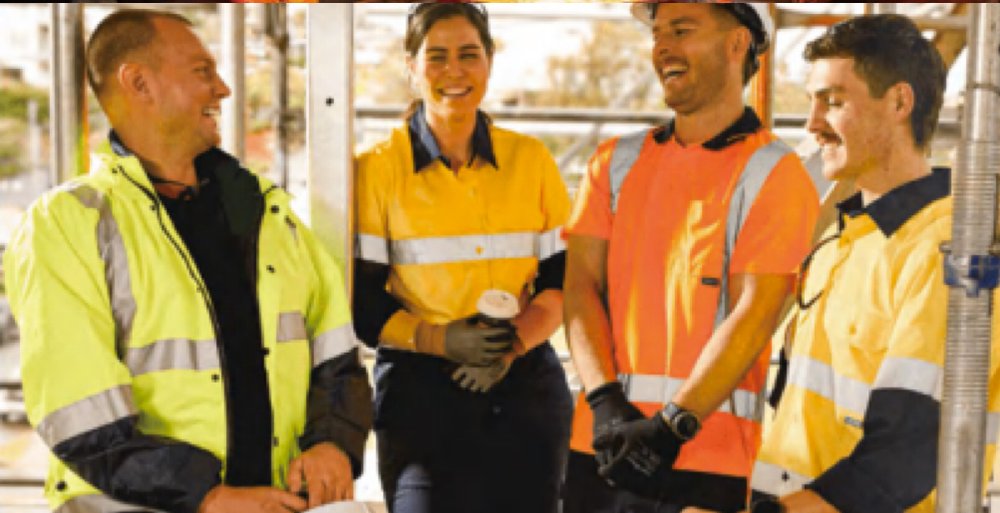
When the weather turns, visibility cannot come off. Our hi vis jacket range keeps crews rated and dry through the wet and cold months: a classic T/C work jacket for everyday issue, a three-layer softshell for wet sites, and lined winter builds — all carrying fluorescent grounds and full reflective tape layouts in the pattern logic of EN ISO 20471.
Jacket styles in production
Hi-Vis Work Jacket — core style
- Fabric: 65% polyester / 35% cotton T/C, fluorescent yellow or orange
- Tape: silver reflective bands on torso and sleeves, placement to EN ISO 20471 pattern rules
- Details: concealed front closure, two chest and two lower pockets, adjustable cuffs and hem
- Program basis: MOQ 3,000 pieces per style
Hi-Vis 3-Layer Softshell Jacket
Our weather specialist: a three-layer build (micro-fibre face, breathable membrane, micro-fleece back) at 350 GSM, with sealed-feel construction and a fleece-lined collar. This is the jacket for wet-season road and yard crews — specified with EN 343 rain-protection requirements in mind, quoted with its waterproof and breathability figures per program.
Hi-Vis Winter & Parka Builds
Padded and fleece-lined versions of the core jacket — including a micro-fleece hi-vis option at 280 GSM for dry cold — extend the program into northern winters. Detachable hoods, storm cuffs and two-way zips are standard build options.
The Myanmar hi-vis set
For buyers who want a matched top-and-bottom program from one carton plan, our Myanmar line produces a hi-vis softshell jacket with matched work pants as a set (MOQ 5,000 sets) — one size chart, one tape story, one label set. It is the fastest way to stand up a complete crew uniform for a new contract.
Tape, print and branding
Reflective tape is glass-bead as standard, micro-prismatic on specification. Logos go on by embroidery, heat transfer or print — proofed against the fluorescent ground, because print colors read differently on fluorescent yellow than on the white proof card. Company names across the back shoulders are the most common build; crew and depot variants inside one run are routine.
Program details
- Size run: full adult range, one graded chart across jacket styles
- Inspection: AQL 2.5 / 4.0; SGS / ITS third-party inspection accepted
- Lead times: samples 7 days; bulk 35 days (China) or 90–120 days (Myanmar) production, freight excluded
Frequently asked questions
Can a hi vis jacket also be waterproof? Yes — the 3-layer softshell build is our rain-facing option, specified with EN 343 requirements in mind. Tell us whether your market asks for a class rating on rain protection and we will quote the construction that matches.
Do the jackets match your vest colors exactly? Yes. Jackets and vests are dyed in the same fluorescent shades, so a crew mixing both garments reads as one uniform.
What is the warmest build you offer? The padded parka build on the core jacket pattern, or the softshell paired with our 280 GSM micro-fleece hi-vis mid-layer for a two-piece cold system.
Options that matter in the field
Three build options decide most jacket programs. Hood: fixed, detachable, or stow-away in the collar — rail and road specs often dictate which. Lining: unlined for layering systems, mesh-lined for three-season use, fleece or padded for winter issue. Closures: two-way front zip under a storm placket is the default; snap and hook-and-loop variants serve markets with established preferences. All three are decided at sampling and held in the program file, so seasonal reorders reproduce the same jacket without re-specifying from memory.